
COMPONENTS DEFINED BY YOUR REQUIREMENTS
Manufacturing capabilities.
Springs, wire forms, stampings, welded assemblies and subassemblies. Identify your component’s family and the variables we need to review to define its manufacturing process.
FIVE MANUFACTURING FAMILIES
Which family fits your component?
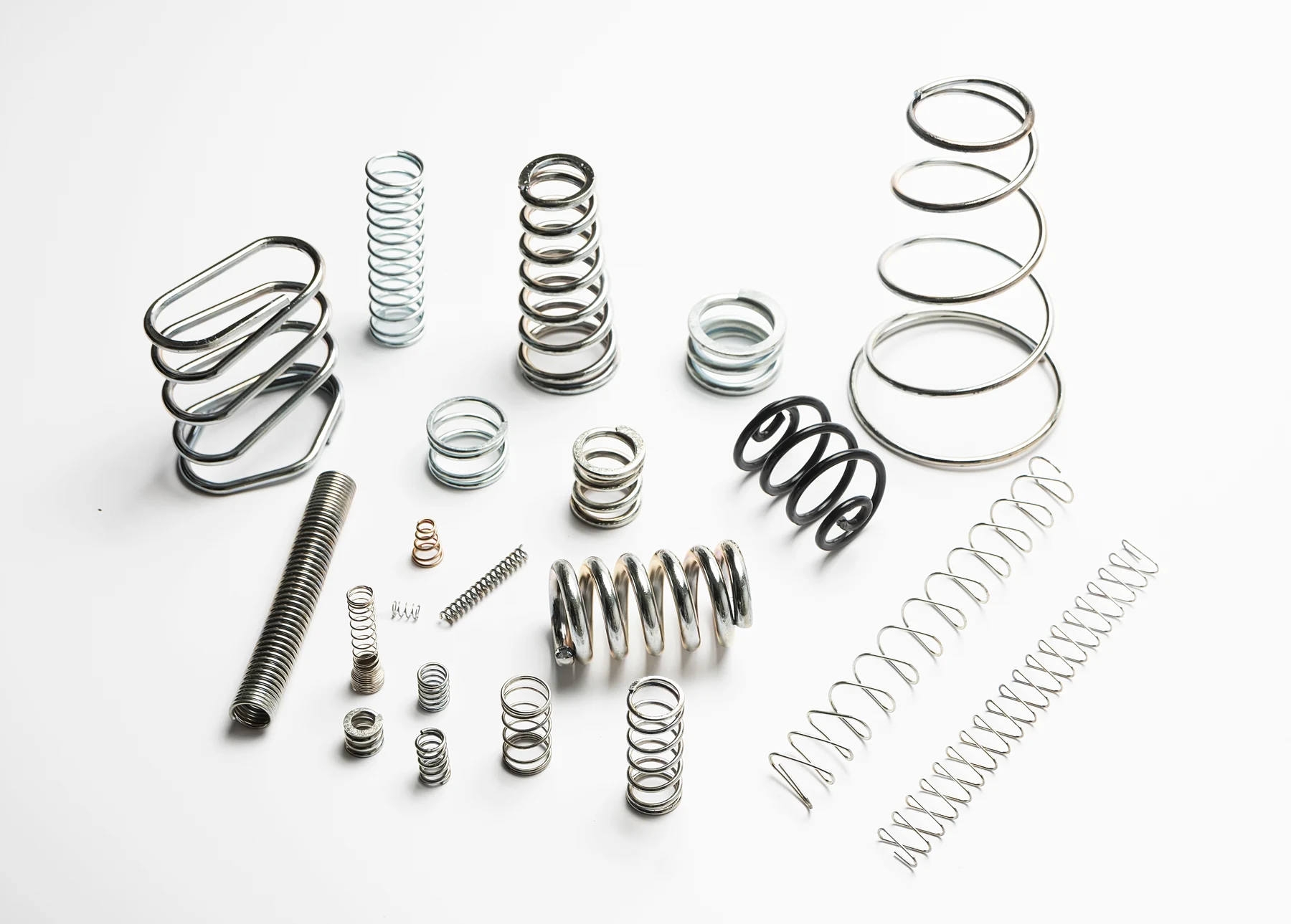
Springs
Compression, torsion, extension and strip springs assessed against function, material and operating conditions.
View capability sheet- Load at the working positions
- Required travel or angle
- Installation space and supports
- Operating conditions
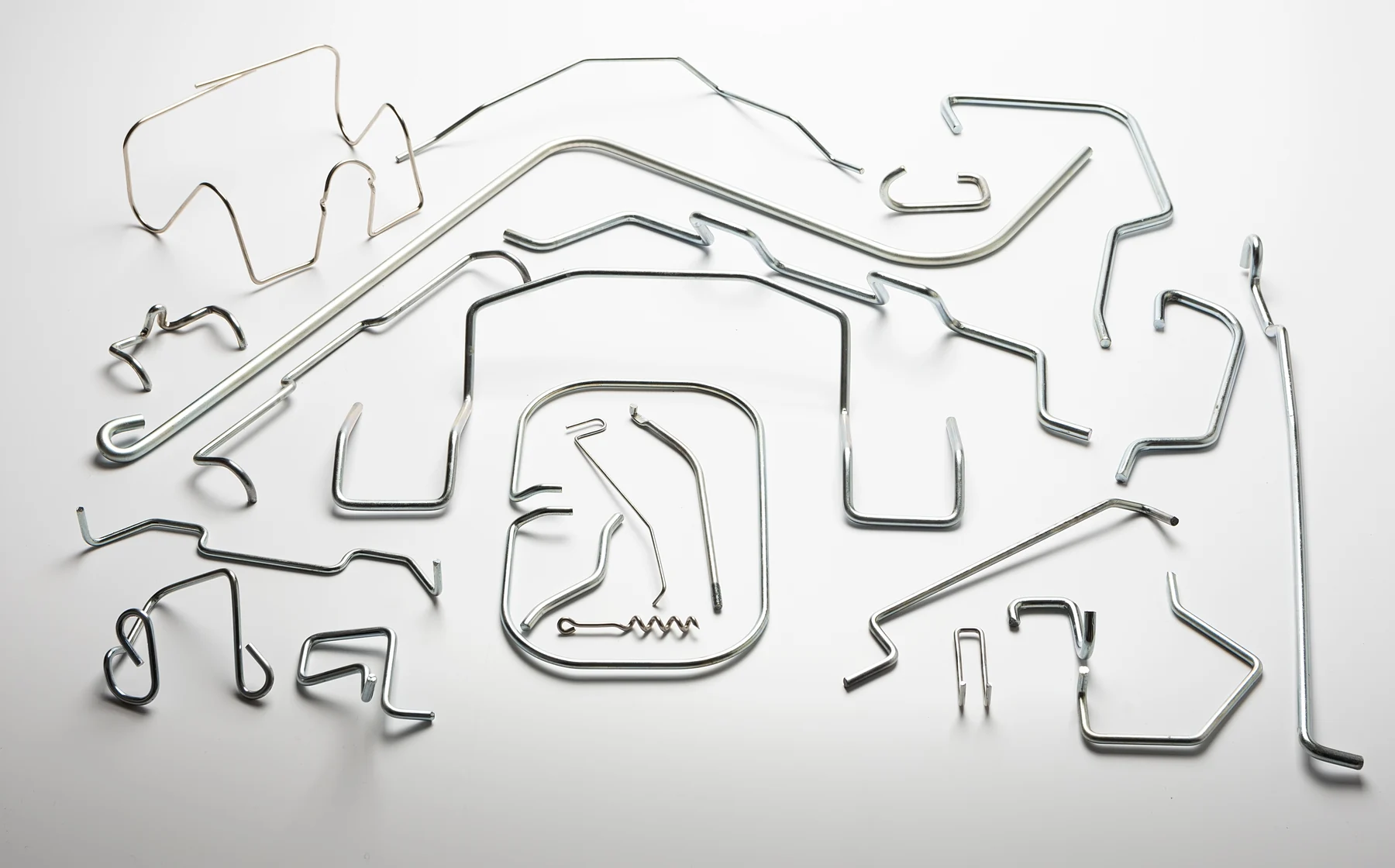
Wire forms
2D and 3D wire forms defined by part geometry, interfaces, material and function.
View capability sheet- Contact and support points
- Clearance and interfaces
- Functional dimensions
- Additional operations
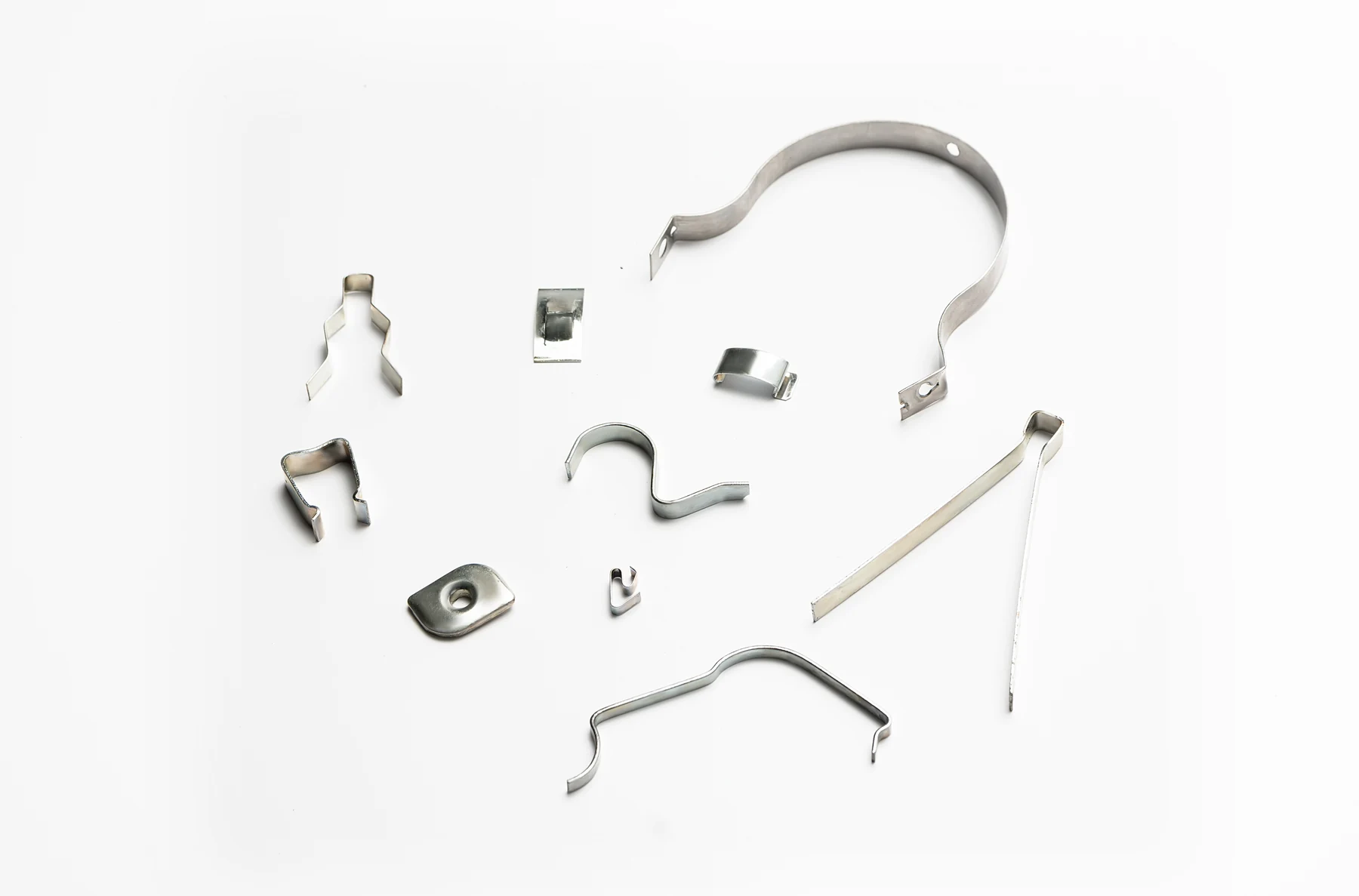
Sheet metal stampings
Sheet and strip metal stampings with project-specific review of geometry, material, tooling and inspection.
View capability sheet- Material and thickness
- Cutting and forming
- Dimensions and datums
- Finish and edges
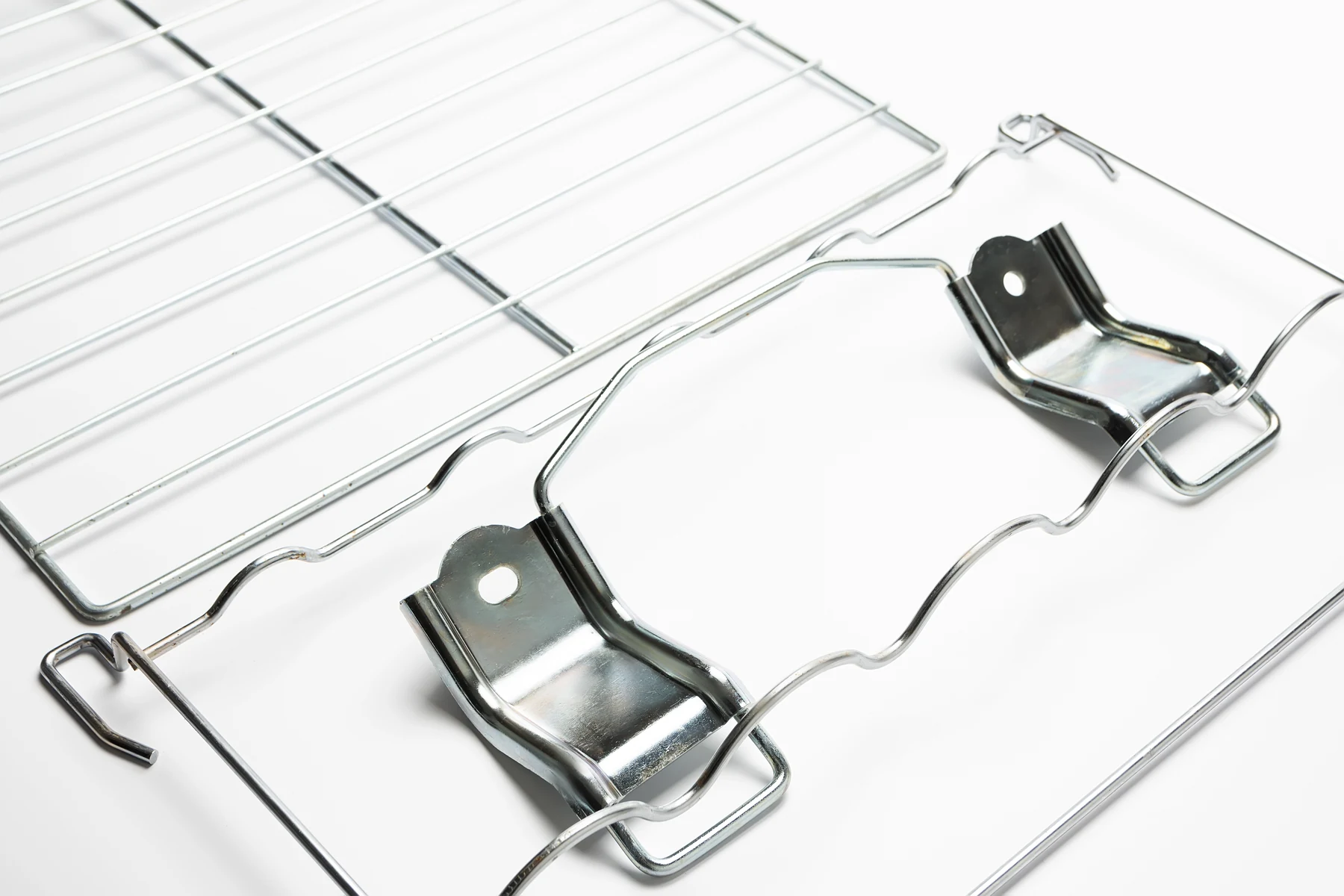
Welded assemblies
Welded wire and sheet metal assemblies with components, joints and interfaces defined for each application.
View capability sheet- Individual part definitions
- Relative positions and references
- Joints and access
- Finished assembly interfaces

Subassemblies
Subassembly work with components, operations and checks agreed around function and supply responsibilities.
View capability sheet- Parts and assembly references
- Interfaces and movement
- Included operations
- Finished subassembly acceptance
Criteria for comparing capabilities
Find the manufacturing family for your component.
Each family brings together different geometries and operations. Explore the examples and connect your component’s function with the closest manufacturing field. Each family page provides the technical detail.
Parameters are assessed together.
Parameter and unit
Material and geometry
Function and inspection
Volume and schedule
Read the assessment criteria
Material, cross-section, dimensions, tolerances, finish and quantities are interdependent. An indicative range helps start the conversation; the specific combination is reviewed against your specification.
From the component to a manufacturing proposal.
The drawing, material, quantities and destination establish the scope. Engineering, Quality and Sales review the process, documentation and supply. A sample or description helps clarify any missing information.
YOUR PROJECT
Which component do you need?
Function and geometry guide process selection. You can inquire even if none of the examples matches your part.