
ENGINEERING · PREPARATION · SERIES PRODUCTION
From your drawing to a manufacturing process.
Feasibility, operations, tooling and inspection turn your specification into a manufacturing plan. Development organizes samples, pilot batches and validation with defined responsibilities and identified revisions.
01 / PROCESS ENGINEERING
Is the part defined, or does it need definition?
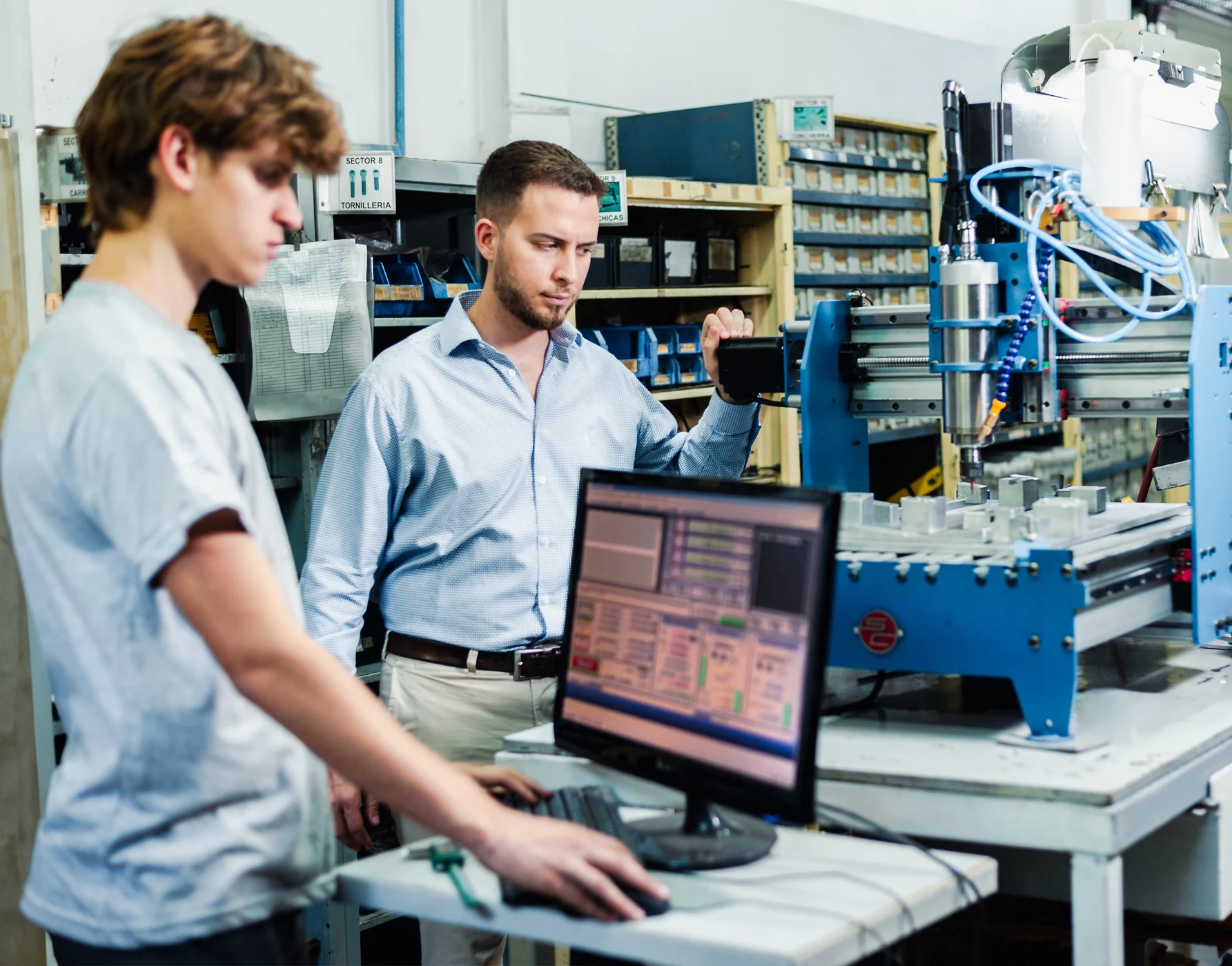
With a current drawing, the review starts from product requirements. With a sample or an open requirement, the first step is to clarify what needs manufacturing. Technical assistance, product design responsibility and process engineering are scoped before manufacturing preparation.
- Defined specification: review feasibility
- Sample or open requirement: clarify requirements
02 / PROCESS ENGINEERING
What gets resolved before moving forward.
This route connects inputs with manufacturing definitions and decisions. Scope and sequence follow the program; parts do not all require the same samples, validation or documents.
-
Feasibility
Clarify the scope to quote- Starting point
- Available drawing, function and requirements
- What we define
- Constraints and missing information
-
Process
Define the proposed manufacturing approach- Starting point
- Specification and quantities
- What we define
- Operations, resources, inspection and in-house or third-party responsibilities
-
Preparation
Identify the conditions for producing samples- Starting point
- Process and proposal scope
- What we define
- Tooling, resources and preparation requirements
-
Samples and validation
Resolve conformity and open items before series production- Starting point
- Planned samples or pilot batches
- What we define
- Checks, criteria and acceptance responsibilities
-
Series production and changes
Review the impact before changing manufacturing- Starting point
- Accepted reference and demand schedule
- What we define
- Current revision, follow-up and change implementation point
03 / PROCESS ENGINEERING
Documentation that supports decisions.
The drawing and acceptance criteria need to provide a common reference for manufacturing and inspection. Project management connects that reference with stages, responsibilities and open items. Where the program requires APQP or PPAP, scope and documentation are defined with the customer.
What to manufacture and which revision to use
What to check and against which criteria
Who resolves each open item
Which documents approval requires
04 / PROCESS ENGINEERING
Each change needs a revision and implementation point.
A new revision may affect material, operations, inspection, costs or supply. We review its impact, documentation and required validation. The agreed implementation point identifies which revision goes into manufacturing.
INFORMATION THAT SUPPORTS THE PROCESS
How ETAR connects projects, operations and peoplePROJECT QUESTIONS
Before preparing the process.
Which product design and process responsibilities does ETAR take on?
We start with the customer’s drawing or product definition to assess manufacturing and inspection. Process engineering covers operations, resources and verification. Product design responsibilities and any additional technical assistance are explicitly agreed within the project scope, so each party understands its role.
How are samples, pilot batches and launch defined?
Samples and pilot batches help compare process preparation with manufacturing results. We agree quantities, acceptance criteria and documentation for the component. Program validation and decisions on when to proceed guide preparation for launch and series production, within the agreed project scope.
YOUR PROJECT
Let’s define how to manufacture your part.
Tell us the application and what needs resolving: feasibility, process preparation or a drawing revision change.