
COMPRESSION · TORSION · EXTENSION · STRIP
Springs made to your specification.
Compression, torsion, extension and strip springs made to drawing. Material, geometry, loads and working movement guide the technical review of your spring.
Explore technical information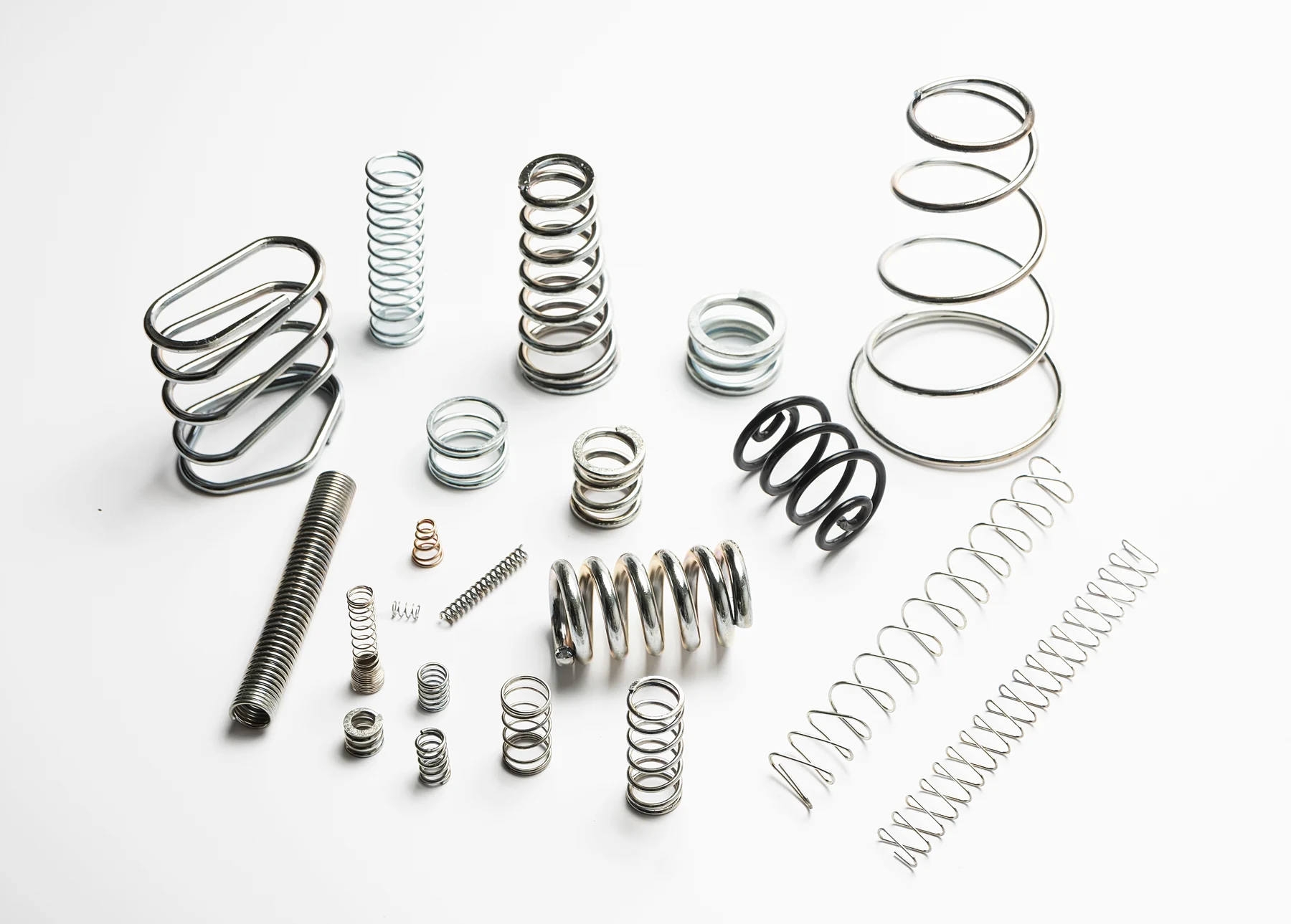 Enlarge image
FORM AND FUNCTION
Four spring types.
Your operating requirements.
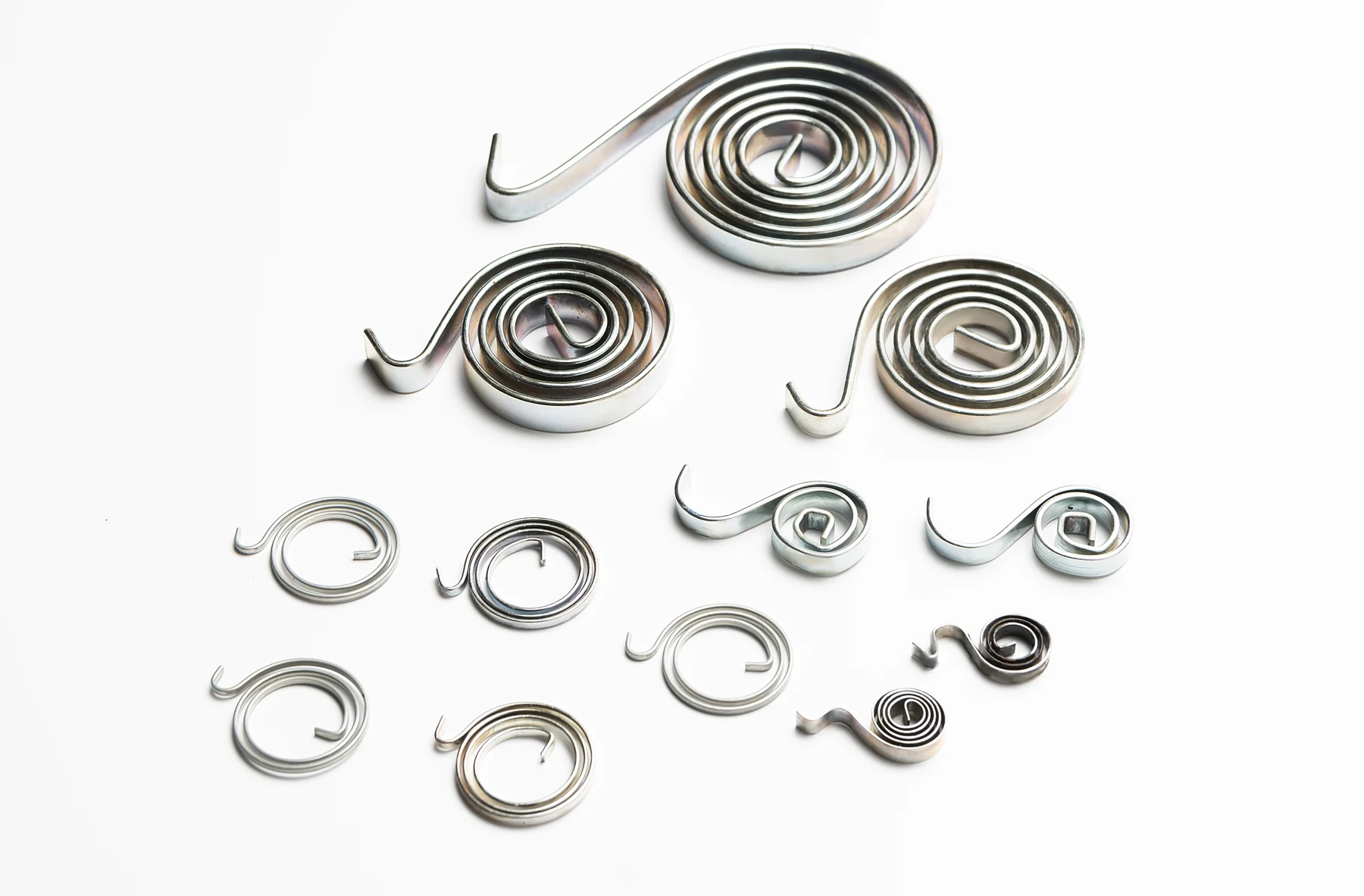
Identify the type closest to your application. Enlarge an image to inspect the manufacturing examples.
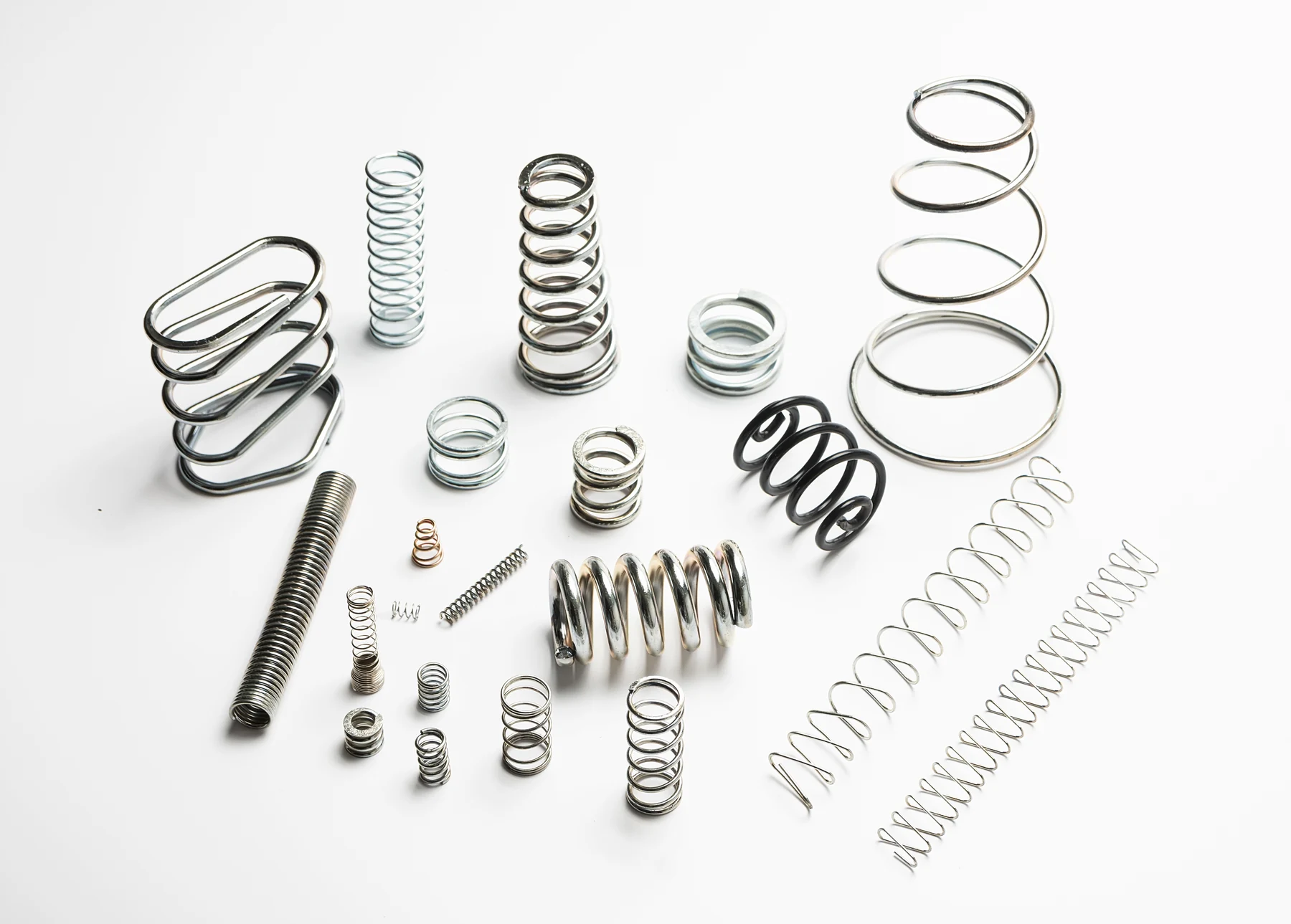
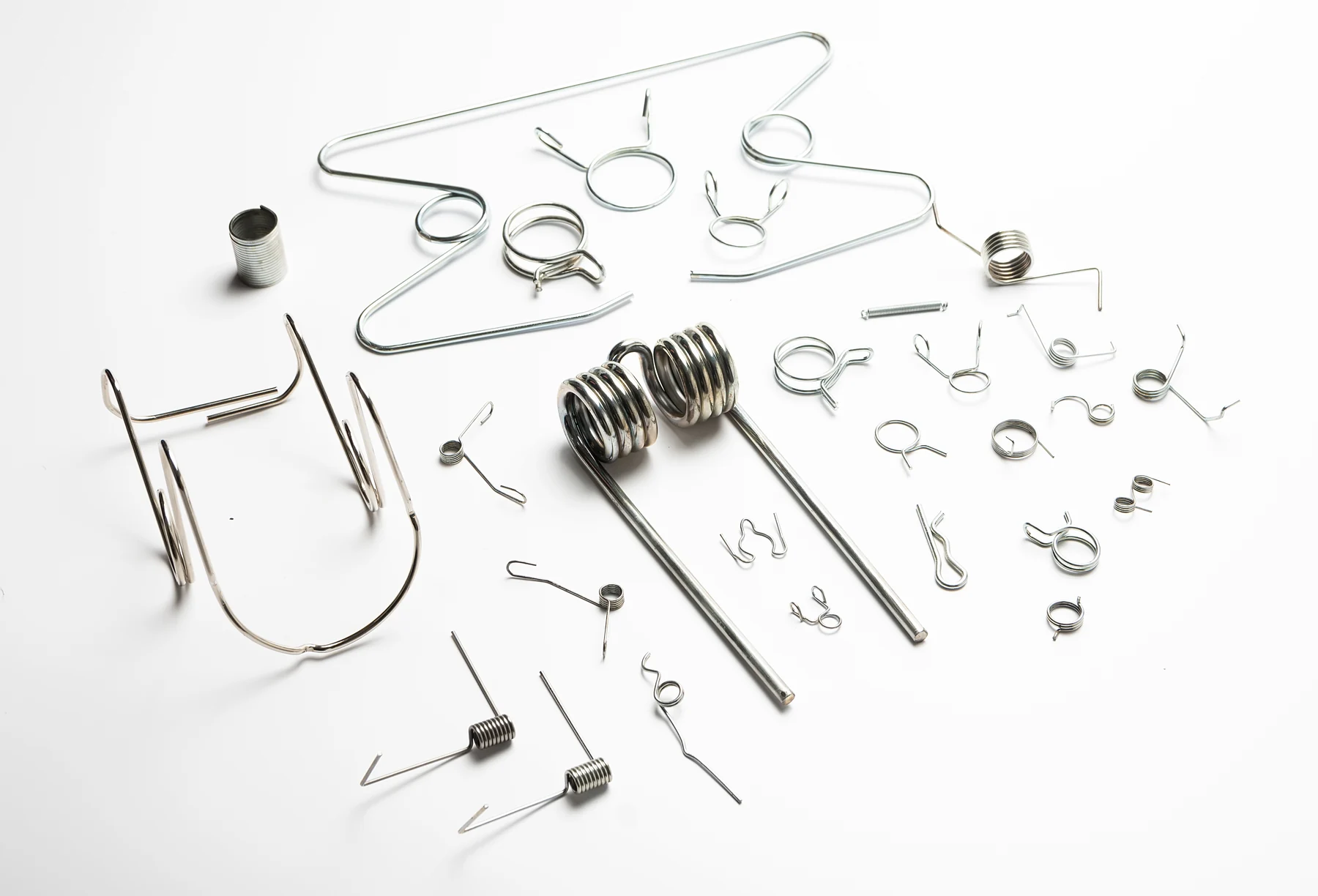
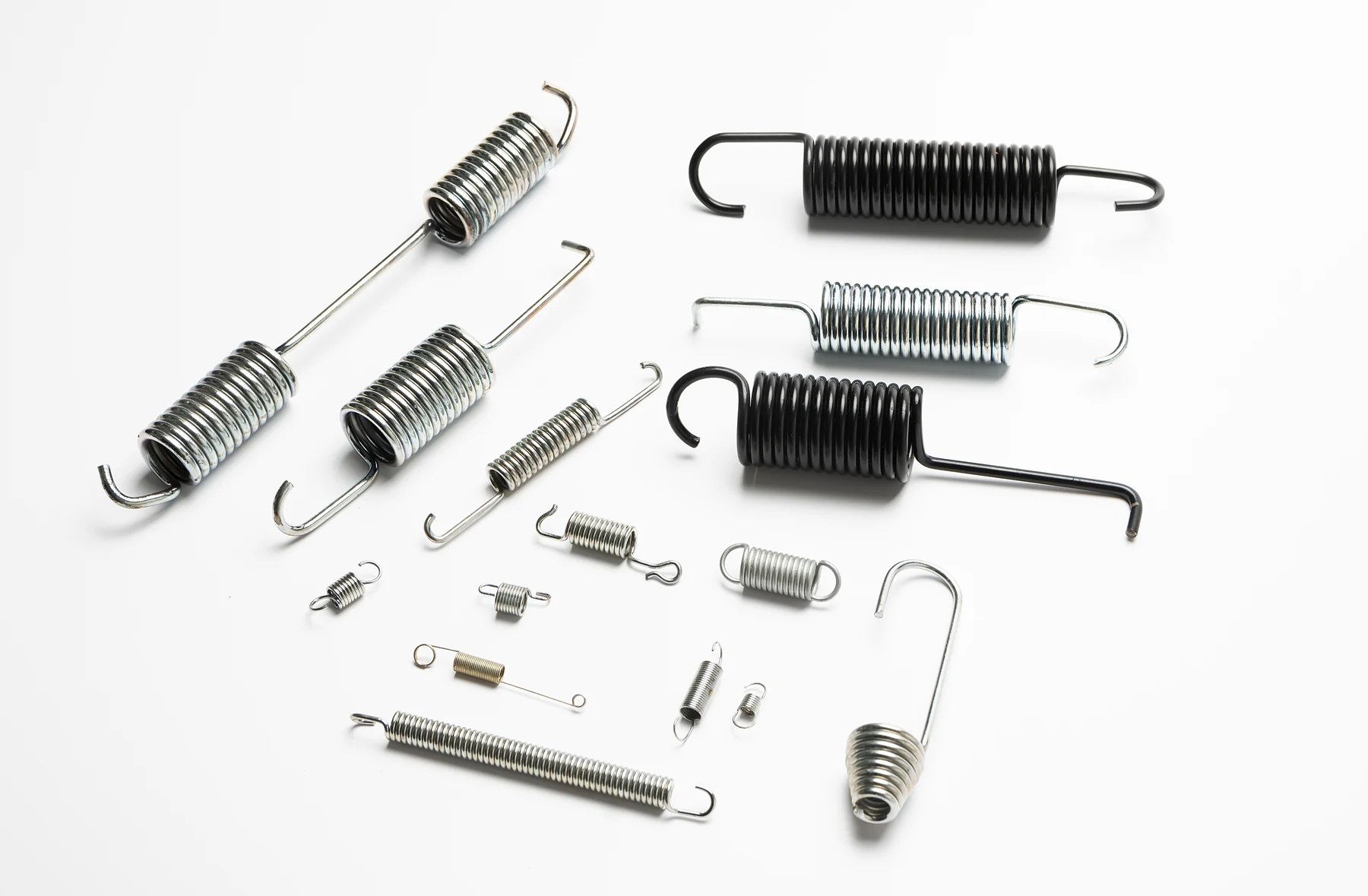
Start with movement and load.
Load at the working positions
Required travel or angle
Installation space and supports
Operating conditions
Read the assessment criteria
Describe what the spring must do at its working positions. Load, travel or angle, together with available space and supports, help us review the geometry before discussing manufacturing.
The right parameter for your spring.
Wire diameter
Finished geometry dimensions
Performance and operating conditions
Read the assessment criteria
Wire diameter and spring outside diameter are different measurements. The feasibility of each combination of material, geometry, tolerance and volume is reviewed against the specification.
What remains to be defined for your inquiry.
Current drawing or reference sample
Required behavior
Defined or open material and finish
Batch quantity and expected demand
Read the assessment criteria
If the drawing already defines loads and dimensions, share its revision. If you start with a sample, identify the behavior to retain or change. Include material and finish where defined, along with expected quantities.
From samples to production.
The technical review determines the preparation and checks the spring needs. The scope of samples, pilot batches and validation is established before series production. Changes to load, geometry or material require a review of that basis before implementation.
YOUR PROJECT
From your specification to a proposal.
Drawing and revision, material and quantities are the starting point for reviewing manufacture, inspection and supply.