
LOADS · ENVIRONMENT · INSTALLATION
Components for agricultural equipment.
Springs, wire forms, stampings and assemblies for agricultural applications. Loads, exposure and fit distinguish the part’s function from conditions affecting the complete machine. The review connects that function with material, finish, operations and your replacement or manufacturing schedule.
Which work and exposure the part needs to address.
Loads, movement and fit
Exposure and operating conditions
Required material and finish
Features to retain or change
Read the assessment criteria
Describe loads, movement, installation and operating conditions. For an existing part, identify what needs to stay the same or change. These conditions help frame material and finish without attributing unspecified performance to the geometry.
SECTOR EXPERIENCE
Clients in our track record

FROM THE APPLICATION TO THE COMPONENT
Capabilities to assess your component
Open a family to review its examples and technical criteria.
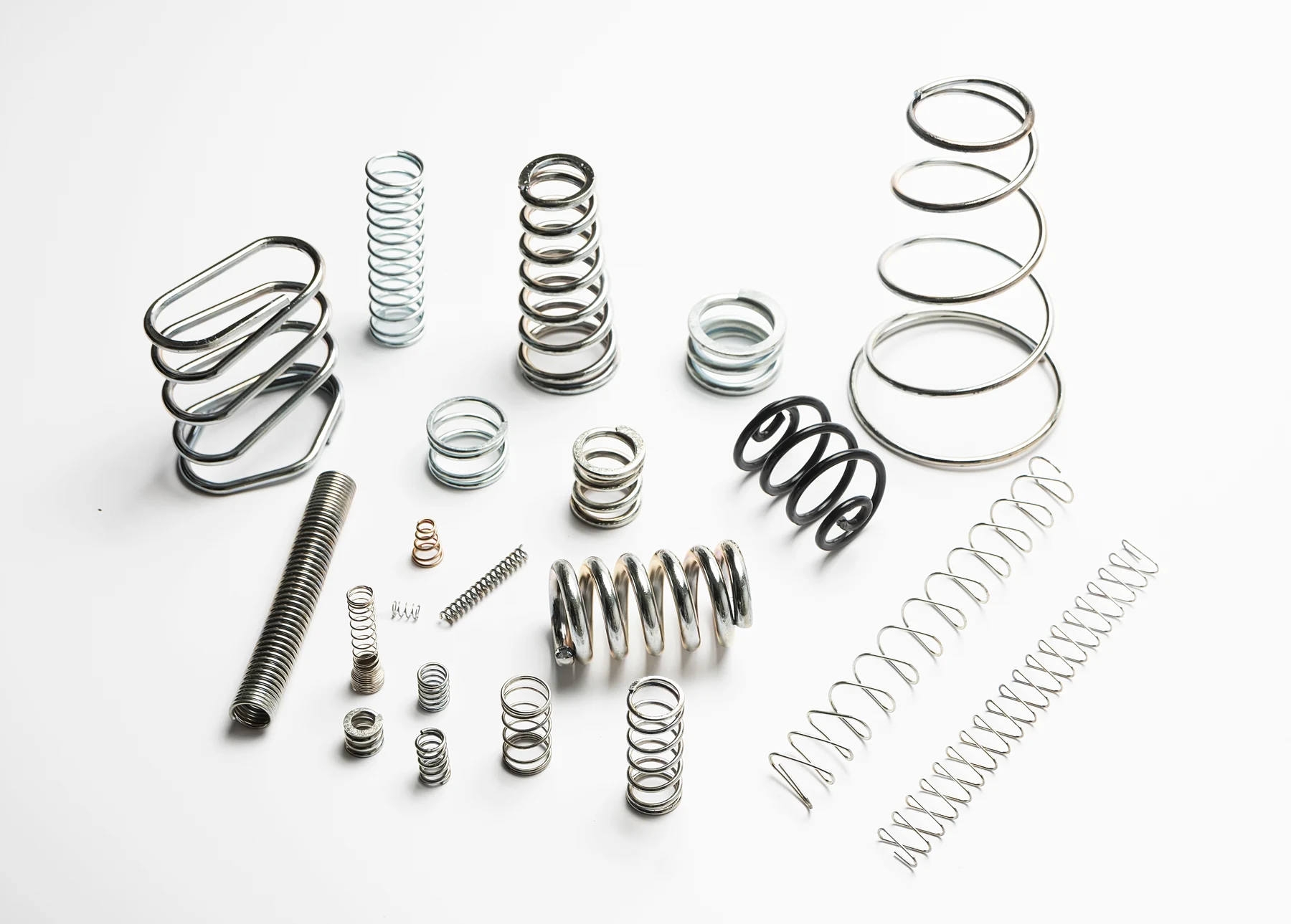
Springs
Compression, torsion, extension and strip springs assessed against function, material and operating conditions.
View capability sheet
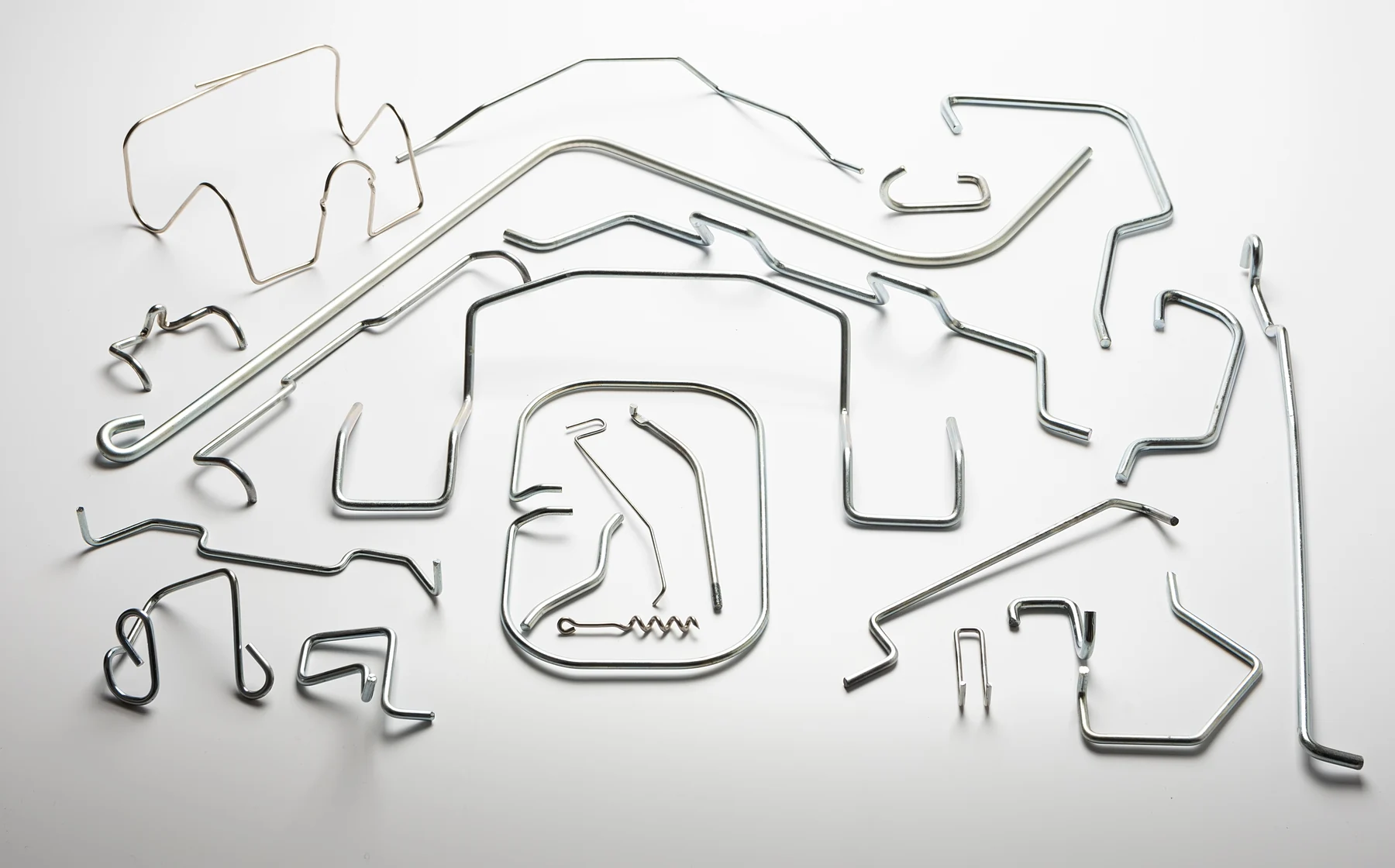
Wire forms
2D and 3D wire forms defined by part geometry, interfaces, material and function.
View capability sheet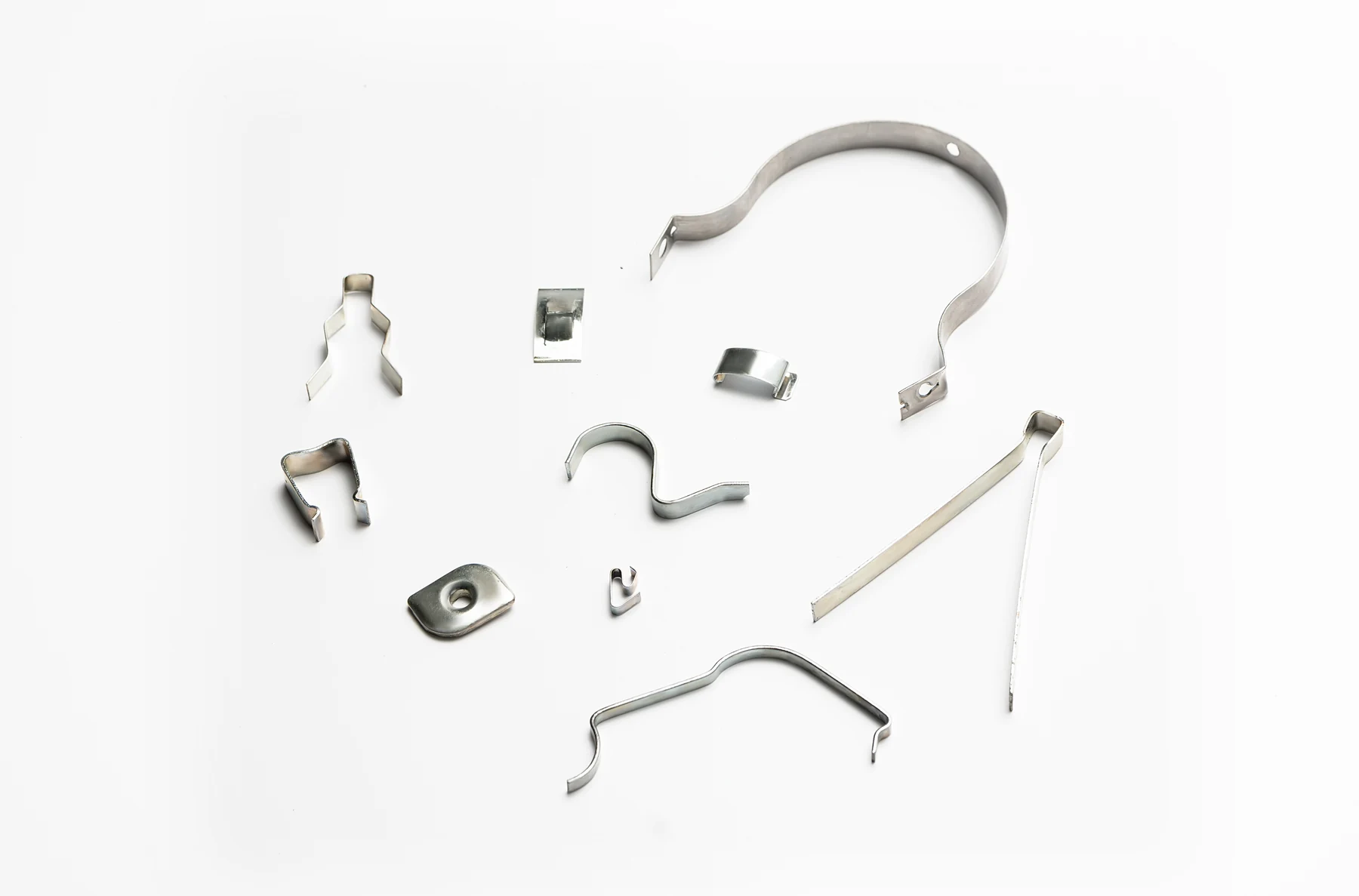
Sheet metal stampings
Sheet and strip metal stampings with project-specific review of geometry, material, tooling and inspection.
View capability sheet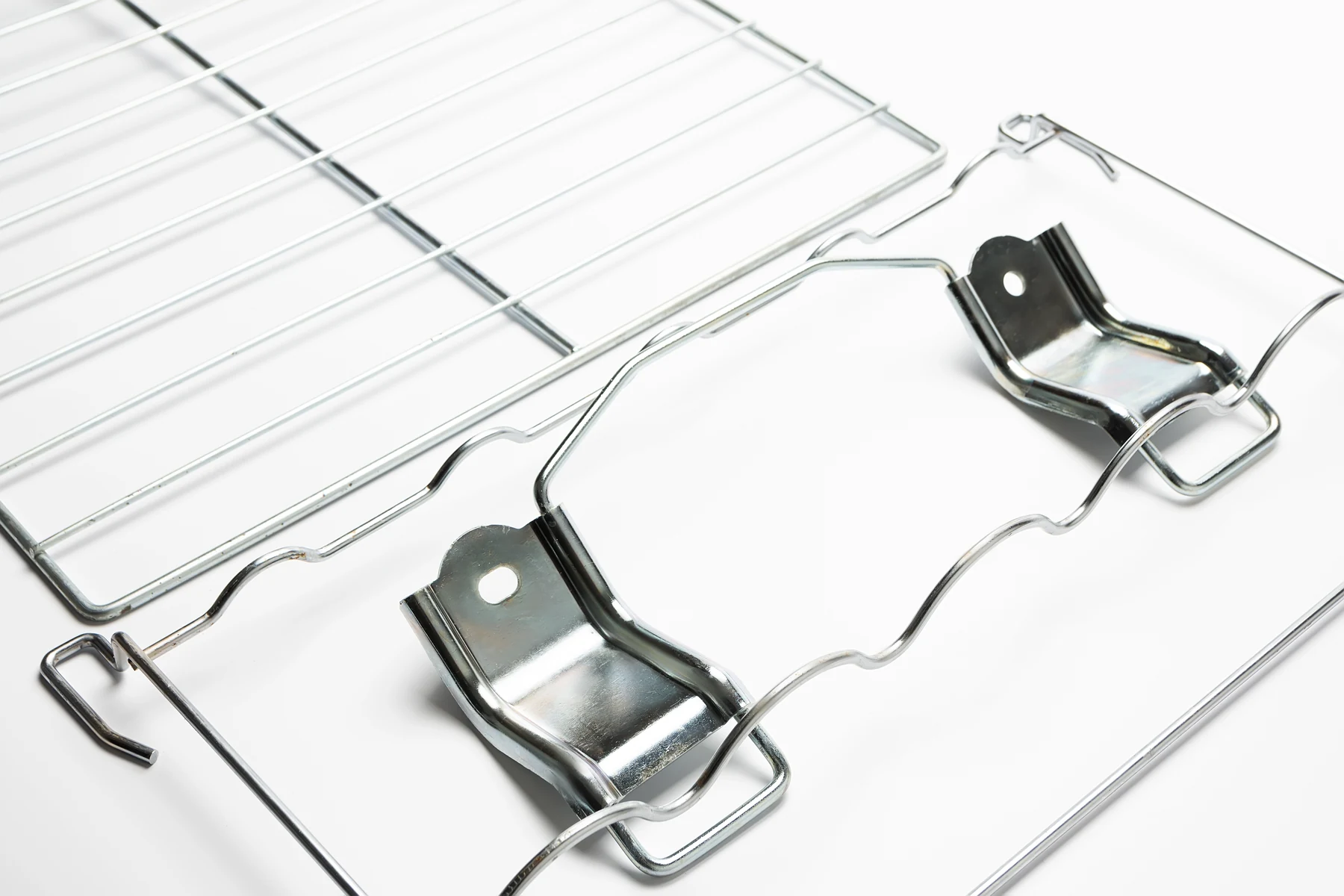
Welded assemblies
Welded wire and sheet metal assemblies with components, joints and interfaces defined for each application.
View capability sheetDefine the process, inspection and samples.
Manufacturing family and operations
Preparation and tooling
Characteristics and acceptance criteria
Applicable samples, tests and records
Read the assessment criteria
We connect the part with springs, wire forms, stampings or welded assemblies. We review operations, preparation and characteristics to verify. Samples and documentation are agreed for the project; specific tests are assessed within their scope.
Equipment manufacturing or replacement supply?
Manufacturing or replacement schedule
Variants and identification
Batches, frequency and receiving
Required samples or approval
Read the assessment criteria
Identify the schedule supply needs to support and how part variants are identified. Quantities, frequency and receiving conditions help frame batches and presentation. Where samples, tests or approvals are required, specify their scope and who needs to accept them.
THE NEXT STEP
Let's assess your application.
Tell us what your component does and where it is used. You can start without a drawing or defined quantities.