
CONTACT · RETENTION · INTEGRATION
Components for the electrical industry.
Springs, wire forms and stampings for contact, retention or movement in electrical systems. Distinguishing mechanical function from electrical requirements helps frame material, finish and interfaces. The inquiry also needs to identify checks for the component and validation requirements for the complete assembly.
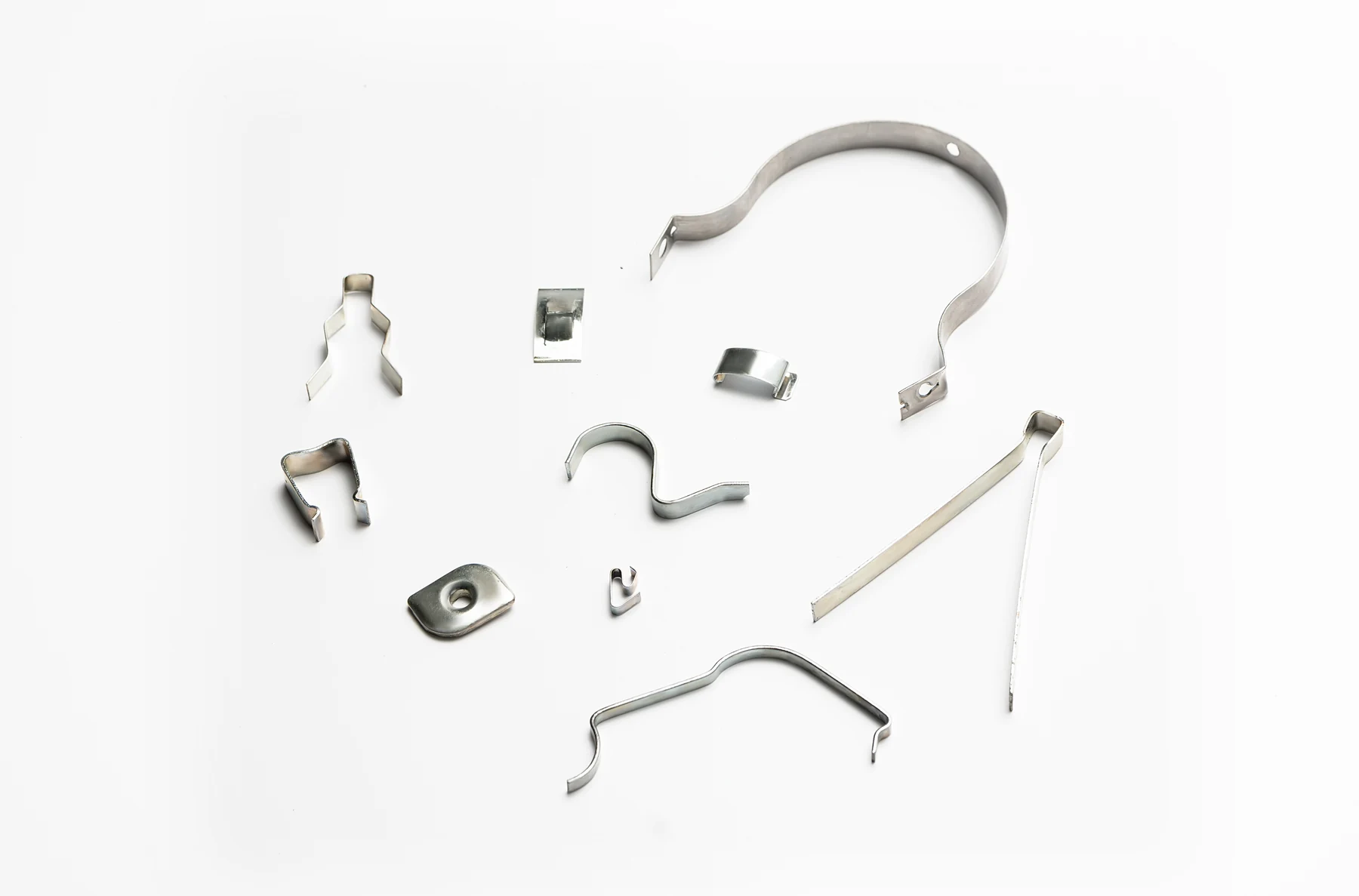
Electrical contact or mechanical function?
Contact, retention or movement function
Interfaces and operating conditions
Specified material and coating
Electrical requirements and requested verification
Read the assessment criteria
Specify whether the part needs to conduct, maintain contact, retain or allow movement. Material and coating are reviewed against that function and its operating conditions. Include electrical or regulatory requirements in the specification with the requested verification scope.
SECTOR EXPERIENCE
Clients in our track record





FROM THE APPLICATION TO THE COMPONENT
Capabilities to assess your component
Open a family to review its examples and technical criteria.
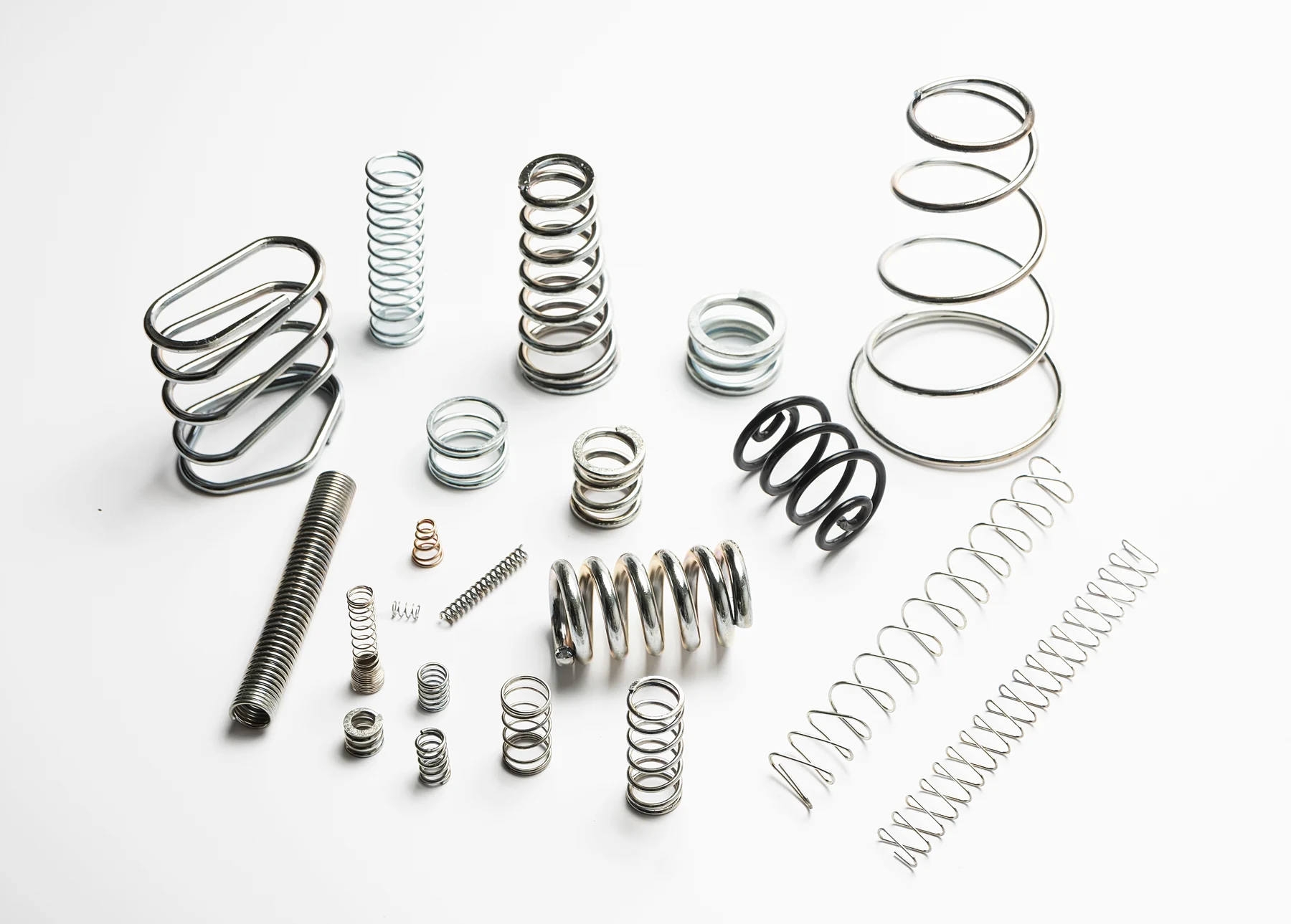
Springs
Compression, torsion, extension and strip springs assessed against function, material and operating conditions.
View capability sheet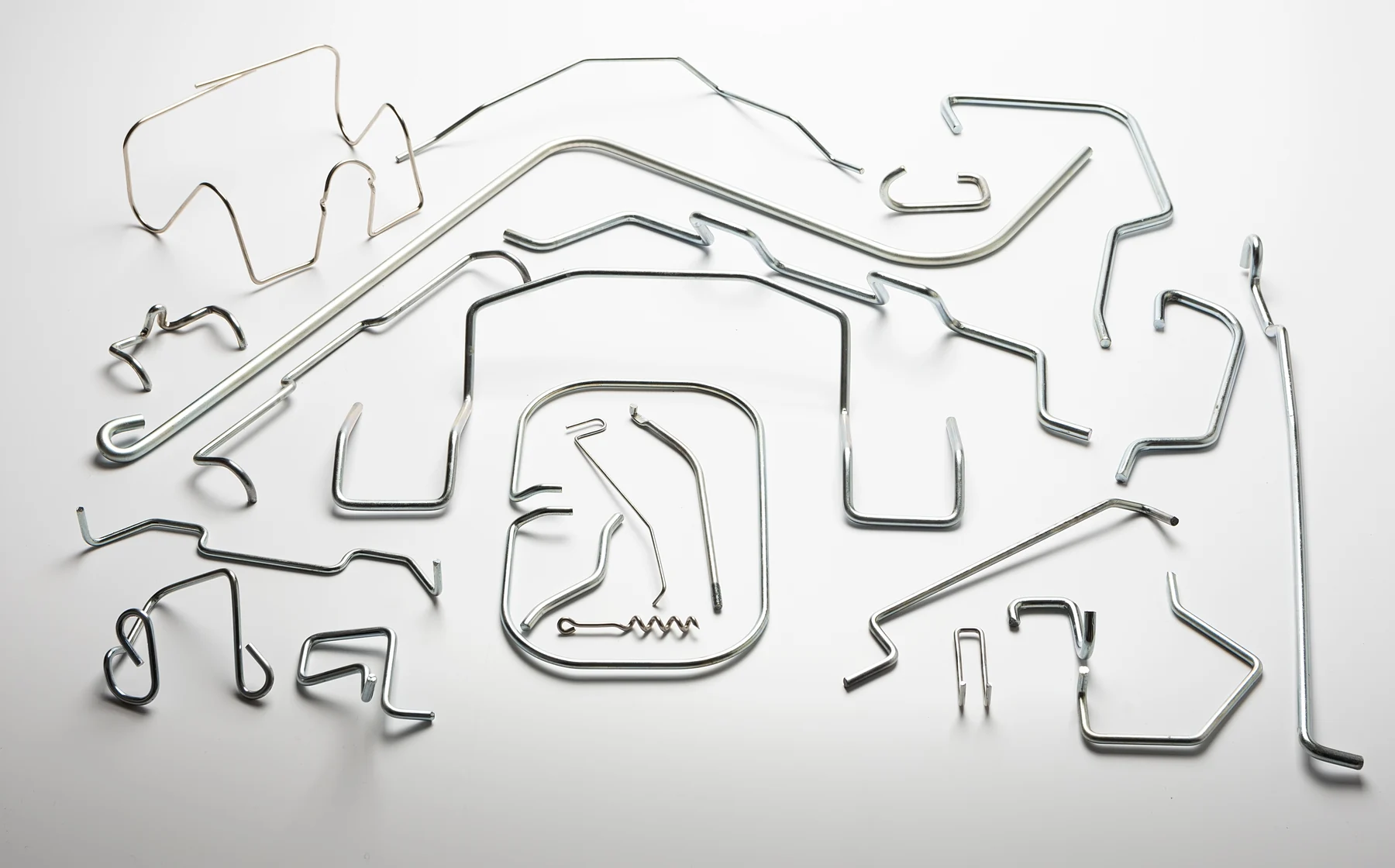
Wire forms
2D and 3D wire forms defined by part geometry, interfaces, material and function.
View capability sheet
Sheet metal stampings
Sheet and strip metal stampings with project-specific review of geometry, material, tooling and inspection.
View capability sheetConnect manufacturing with verification.
Manufacturing family and process
Characteristics and acceptance criteria
Inspection methods and records
Required tests or approvals
Read the assessment criteria
We assess springs, wire forms and stampings against the required geometry. We agree which characteristics to inspect, acceptance criteria and documentation. Specific tests or approvals are reviewed with their scope and responsibilities.
Define the verification you need.
Required features and tests
Part or assembly to validate
Verification responsibilities
Quantities and receiving requirements
Read the assessment criteria
Add the features, tests or approvals required by your application to the drawing. Clarify who performs them and which part or assembly they cover. With quantities and receiving requirements, this definition supports review of technical and supply scope.
THE NEXT STEP
Let's assess your application.
Tell us what your component does and where it is used. You can start without a drawing or defined quantities.