
FUNCTION · ASSEMBLY · SUPPLY
Components for home appliances.
Springs, wire and sheet metal parts, welded assemblies and subassemblies for appliances. The inquiry starts with how the part works and enters your assembly operation. Function, interfaces and delivery presentation help define the manufacturing and assembly operations you need included.
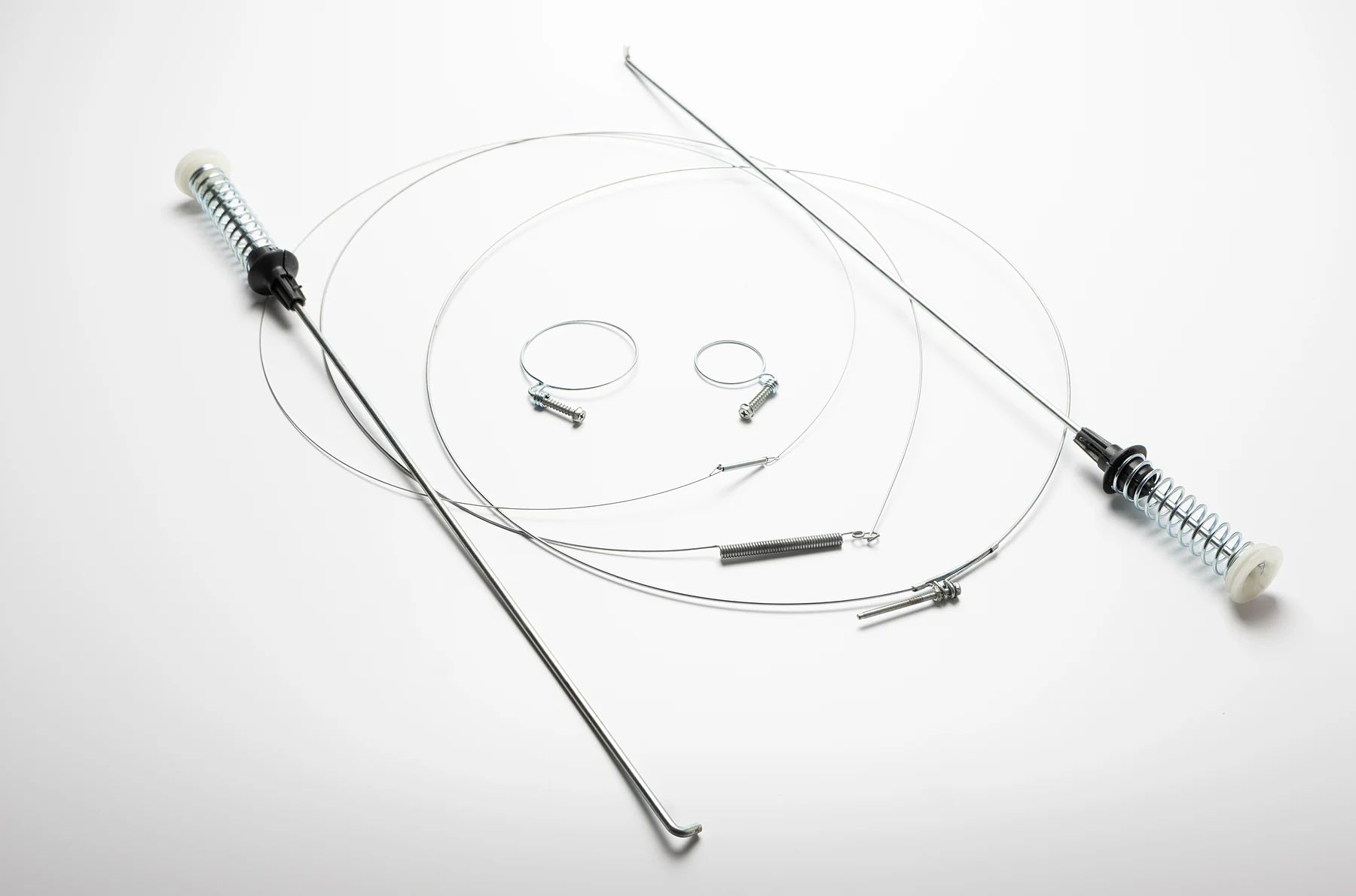
Define how it works and fits.
Function within the equipment
Dimensions and mounting points
Required movement or load
Material, finish and operating conditions
Read the assessment criteria
Movement, retention and support create different requirements. A drawing or sample helps us review dimensions, interfaces and operating conditions, together with the characteristics your team needs to verify.
SECTOR EXPERIENCE
Clients in our track record







FROM THE APPLICATION TO THE COMPONENT
Capabilities to assess your component
Open a family to review its examples and technical criteria.
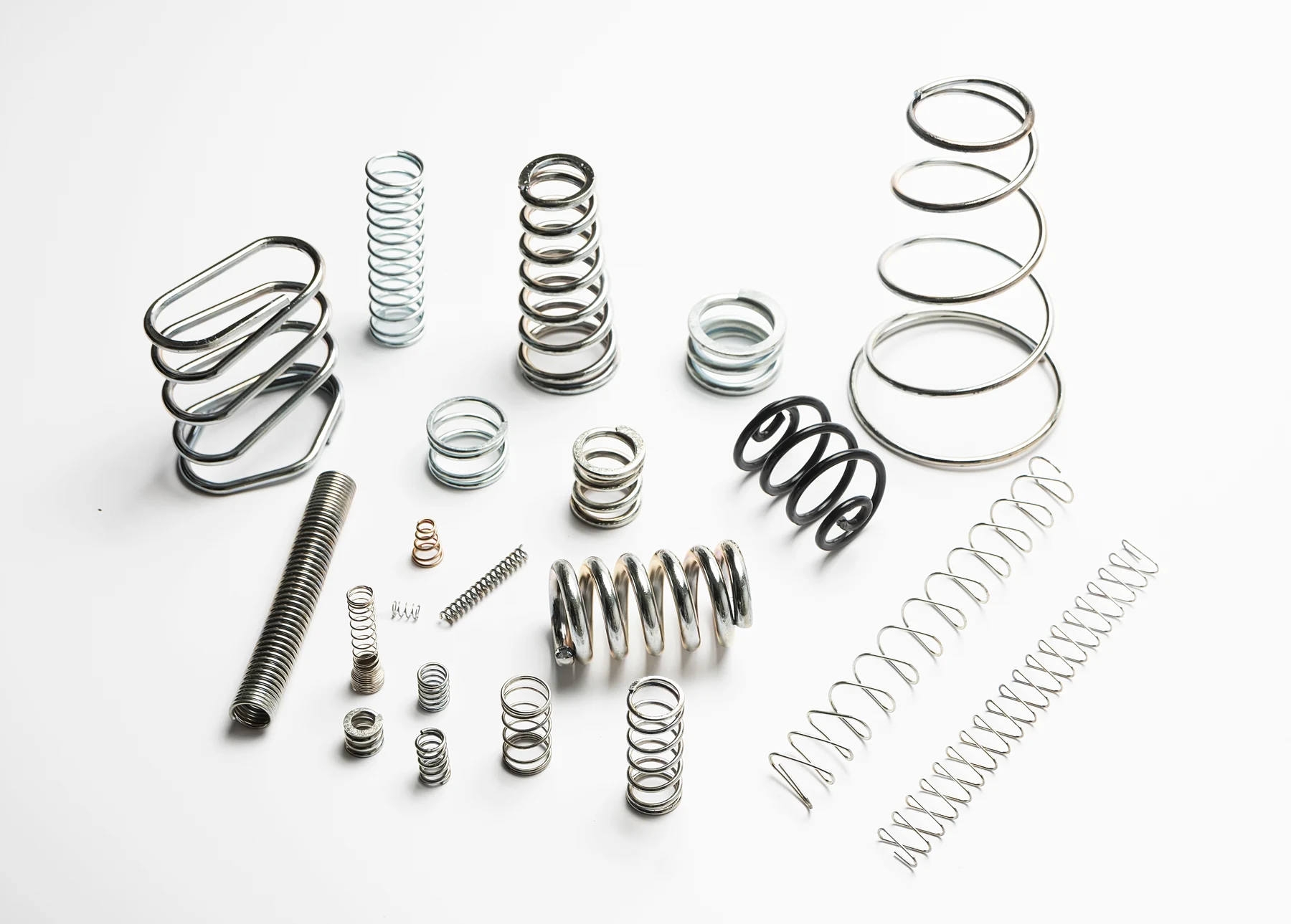
Springs
Compression, torsion, extension and strip springs assessed against function, material and operating conditions.
View capability sheet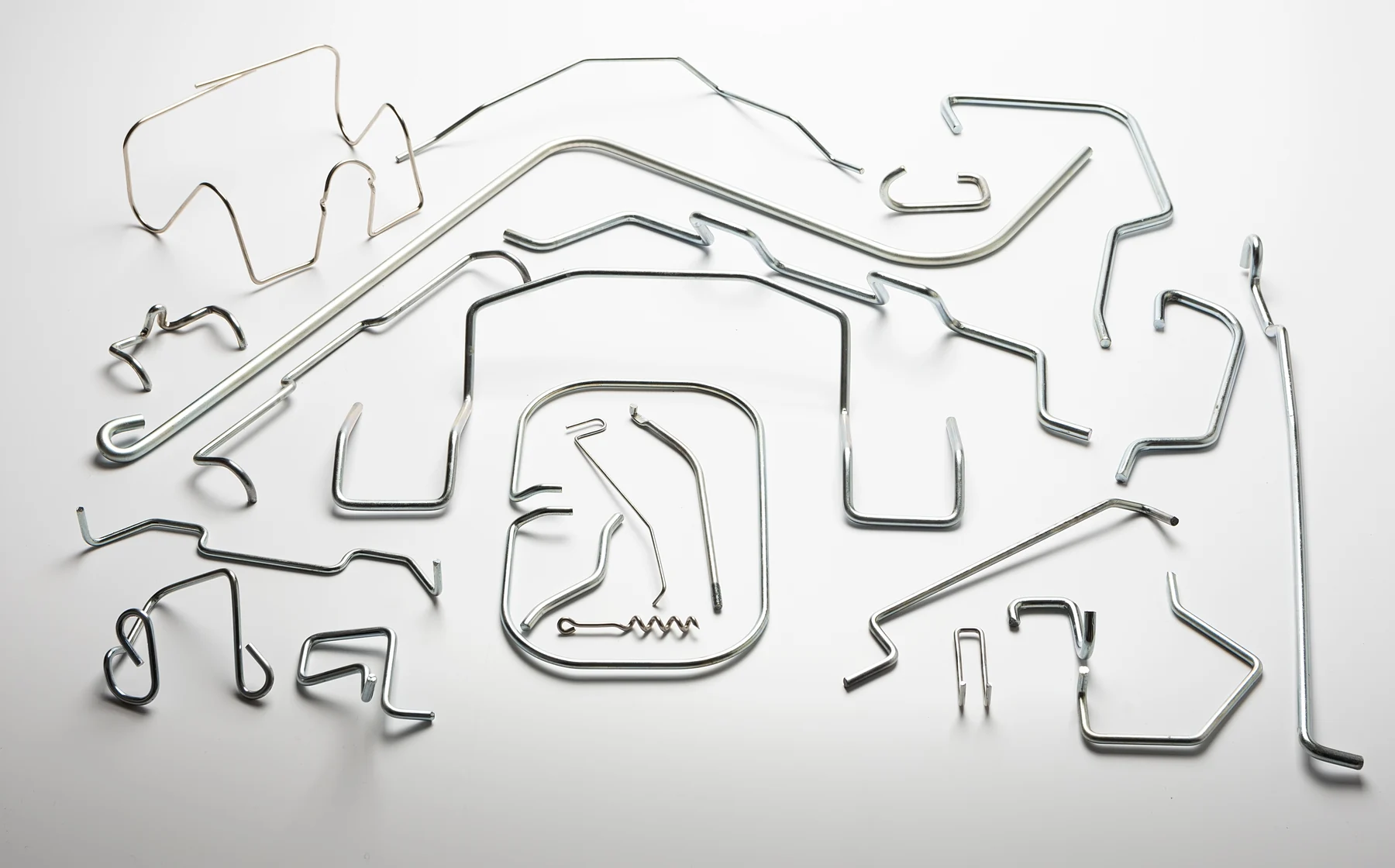
Wire forms
2D and 3D wire forms defined by part geometry, interfaces, material and function.
View capability sheet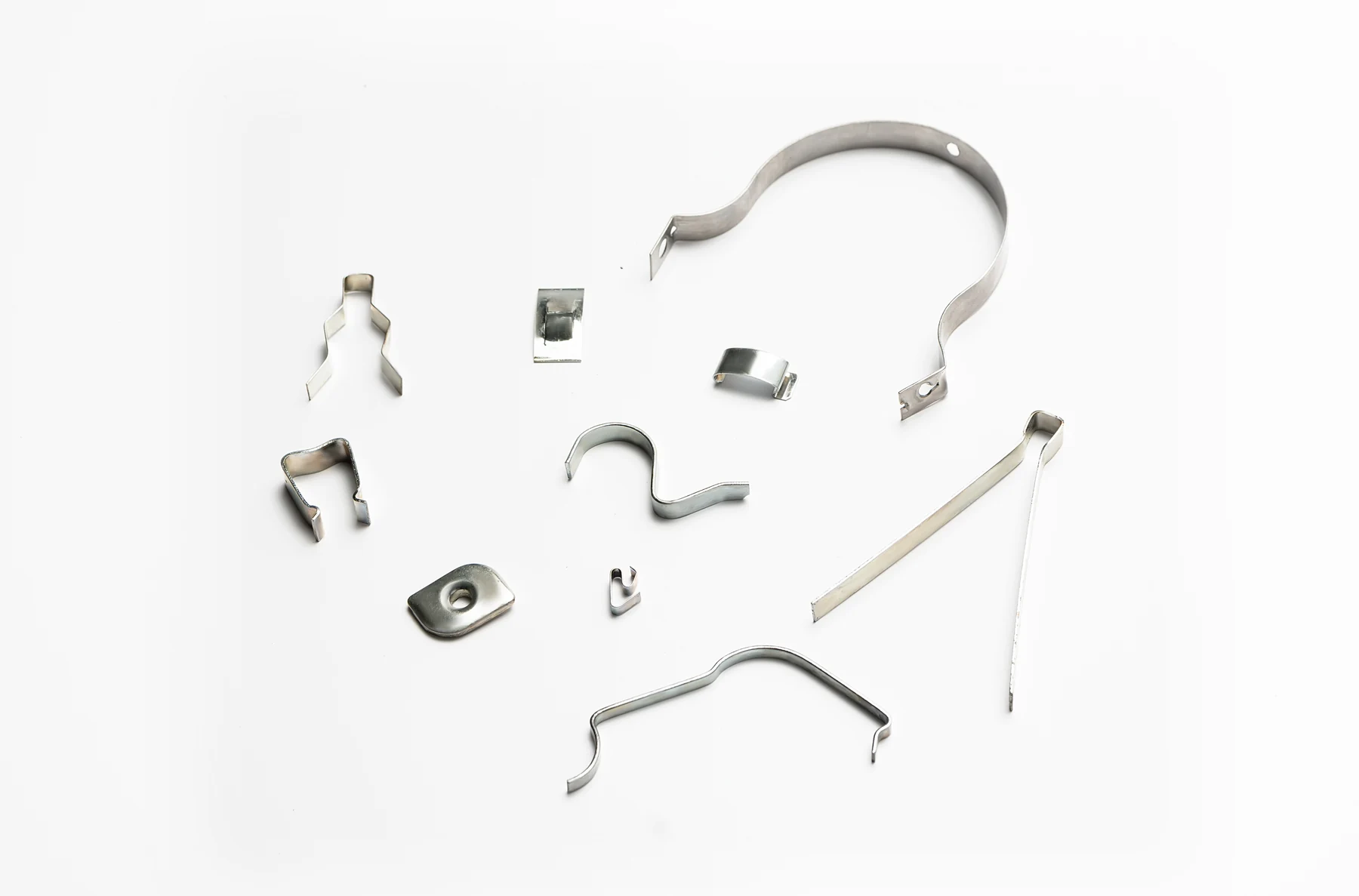
Sheet metal stampings
Sheet and strip metal stampings with project-specific review of geometry, material, tooling and inspection.
View capability sheet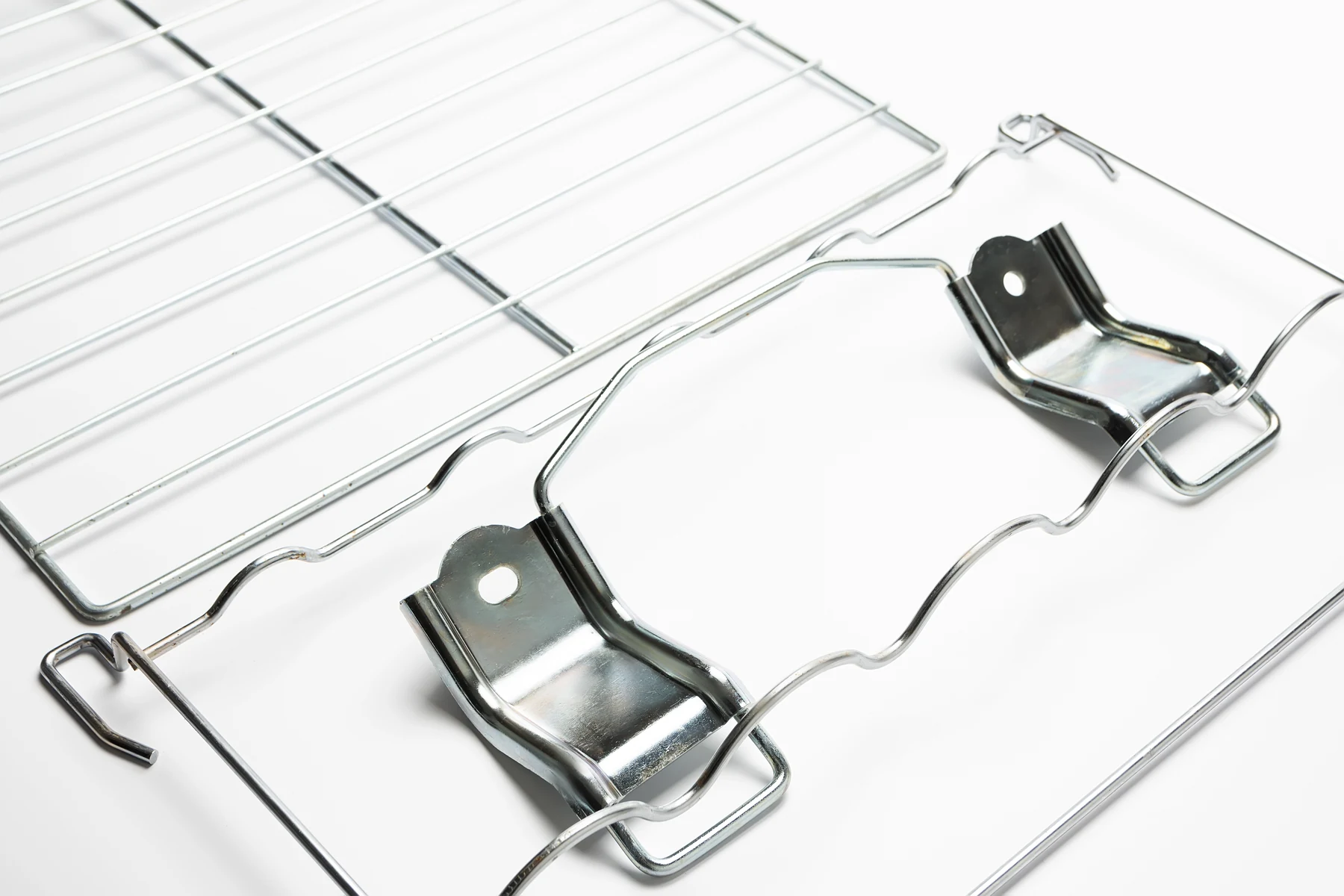
Welded assemblies
Welded wire and sheet metal assemblies with components, joints and interfaces defined for each application.
View capability sheet
Subassemblies
Subassembly work with components, operations and checks agreed around function and supply responsibilities.
View capability sheetFrom the component to the agreed assembly.
Manufacturing families and operations
Parts and supply responsibilities
Agreed samples and checks
Acceptance criteria and records
Read the assessment criteria
We connect geometry with manufacturing families and required operations. For subassemblies, we define who provides each part. Samples, dimensional or functional checks and documentation are agreed for the project.
How the part needs to reach your line.
Receiving and assembly presentation
Supplied components and included assembly
Delivery quantity and frequency
Planned product or assembly changes
Read the assessment criteria
Describe how your line receives, identifies and uses the part. Where prior assembly is needed, identify who supplies each component. Delivery quantity, frequency and presentation help frame supply alongside the operations the proposal needs to include.
THE NEXT STEP
Let's assess your application.
Tell us what your component does and where it is used. You can start without a drawing or defined quantities.